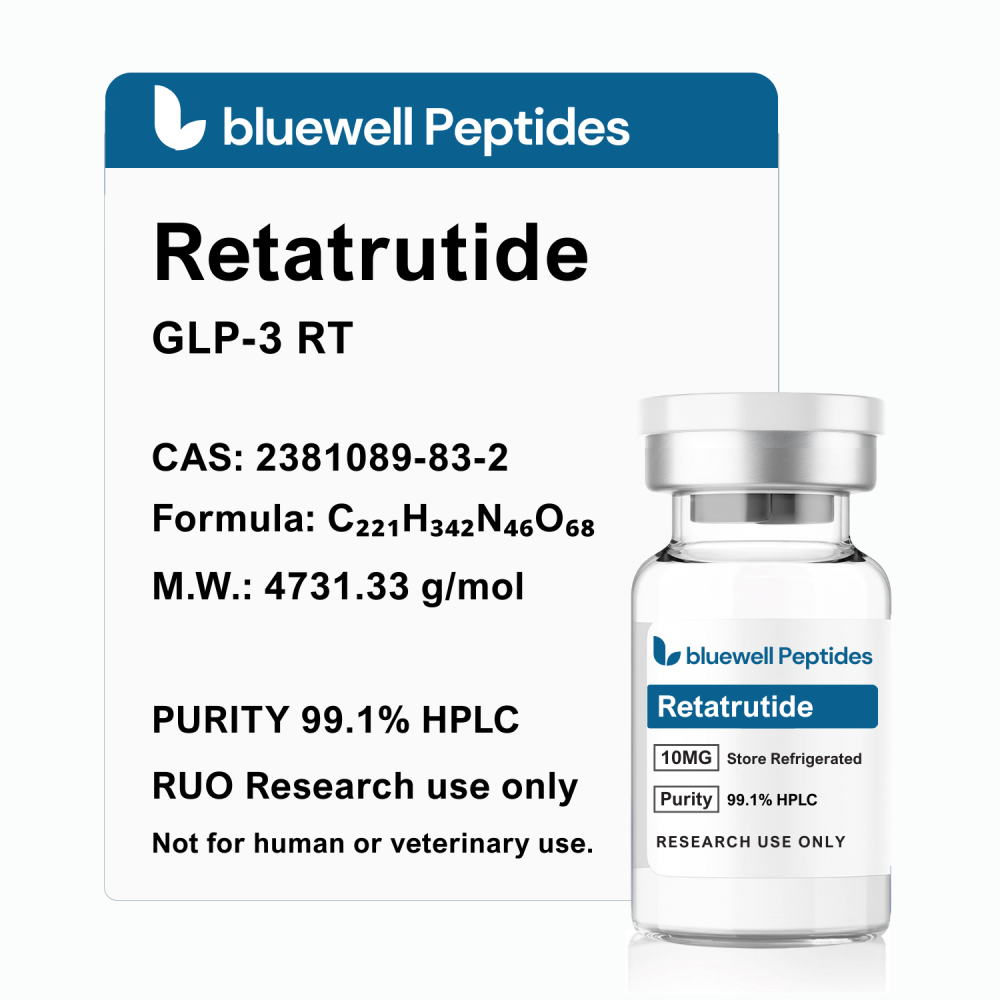
Peptide Quality: Value Of Third-party Recognition It serves as a pointer and legal disclaimer that the item is not a restorative or consumable. Respectable peptide vendors constantly mark their items this way and supply high quality reports with HPLC and MS information to support the purity level. As long as you get peptides from a relied on resource that provides a complete certificate of evaluation, you can be positive in the peptide's purity quality and use range. When you see peptides marketed as "research-grade," it refers to their planned use and the degree of manufacturing oversight. Peptide pureness testing describes analytical procedures utilized to assess the make-up and quality of a peptide sample. To ensure full neutrality, we pick random samples directly from the completed production set for independent research laboratory testing. The very same item clients receive is the product submitted for analysis. Using high-performance fluid chromatography (HPLC), we validate that the active component web content goes to the very least 99% pure. This gets rid of fillers and contaminations, making sure the pureness of every dose. Trace amounts of solvents utilized throughout synthesis and purification-- acetonitrile, dimethylformamide (DMF), dichloromethane-- can stay in the final product. Peptide screening is the set of logical checks used to assess a peptide example before it is used in a research study operations. In practical COA testimonial, the term typically describes purity testing, identification testing, and paperwork testimonial. Purity testing asks just how much of the identified sample is the main peptide versus related pollutants. Identity testing asks whether the determined mass or sequence-related evidence matches the designated peptide. Documentation testimonial asks whether the record is batch-specific, traceable, and outlined enough to be audited.
Just How Do I Confirm A Third-party Coa?
Where can I send my peptides to evaluate for purity?
ACS Peptide Evaluating Labs is a specialist peptide evaluation laboratory that accepts examples from all 50 states. Whether you require to examine peptide purity, confirm a provider''s Certification of Analysis, or run comprehensive pollutant testing, our laboratory gives quickly, exact outcomes with thorough reporting.
Material Warnings
This is Click for info extremely hardly ever the case, nonetheless well a procedure is optimized, and the risk of side reactions and incomplete reactions implies that peptide pureness becomes a key problem in the context of the application. One more relevant term you Scientific Supplier could experience is net peptide web content, which is different from pureness. Web peptide material refers to just how much actual peptide (by weight) is in the vial about non-peptide elements like water, counter-ions (e.g., TFA), or buffer salts. It's feasible to have a peptide that is, state, 95% pure by HPLC and yet the internet peptide content is something like 70% of the powder's weight (the remainder being water and salts). Don't be alarmed-- this is typical and is normally figured out by different analyses (like amino acid analysis).- Mislabeled peptides introduce variables that confuse research results.These are commonly existing at extremely reduced degrees in correctly manufactured peptides and are controlled by ICH Q3C guidelines for acceptable restrictions.Checking documentation can offer insight into a distributor's commitment to quality control.The mass spec outcome must match this predicted value within acceptable resistance.This comparative information provides context past private examination results.